
How to Transition Tropical Plants Indoors Before Cold Weather Hits
A Step-by-Step Autumn Guide for Gardeners in the US, Canada, and Cold Climates
Disclosure: As an Amazon Associate, I earn from qualifying purchases at no extra cost to you.

Bringing potted tropical plants inside protects them from early autumn frosts.
6 Steps to Transition Tropical Plants Indoors
Protect your Orchids & Anthuriums from Fall/Winter Cold Shock
Check Night Temps
Start moving plants when night temperatures drop below 60°F (15°C).
Inspect & Wash
Check undersides of leaves for pests and wash foliage thoroughly with water.
Soil Drench
Treat substrate with organic Neem oil or soap solution to kill hidden soil pests.
Acclimatize Gradually
Keep plants in shade for 1-2 weeks before bringing them completely inside.
Grow Light & Humidifier
Set LED Grow Lights (10–12 hrs) and maintain humidity at 50–60% indoors.
Adjust Watering
Reduce watering as growth slows down and stop heavy fertilizing for winter.
Timing Is Everything: Monitor Nighttime Temperatures
Tropical foliage plants stop active growth when ambient temperatures fall below 60°F (15°C). Prolonged exposure to night temperatures dropping into the low 50s or 40s can cause cold shock, leaf drop, or root shutdown.
- The 50°F Rule: Begin your transition process when nighttime lows consistently hover around 55°F–60°F (13°C–15°C).
- Avoid Late Frost Surprises: Keep a close eye on early freeze warnings, especially in USDA Hardiness Zones 3 through 7 across Canada and the Northern United States.
Pest Inspection & Mandatory Quarantine
Bringing outdoor plants inside often brings unwanted hitchhikers like spider mites, mealybugs, scale, and fungus gnats into your living space.
- Visual Audit: Inspect the undersides of leaves, leaf sheaths, and drainage holes using a flashlight or magnifying glass.
- Foliage Rinse: Wash down leaves and stems with a gentle stream of hose water to remove dust, cobwebs, and surface insects.
- Isolation Period: Keep newly brought-in plants in a separate room (quarantine zone) for 10–14 days before introducing them to your primary indoor collection.
Substrate Treatment & Soil Drenching
Outdoor soil media can harbor unseen pests and larvae that thrive in warm indoor environments.
- Organic Soil Drench: Treat potting media with an organic Neem oil solution or horticultural soap spray to clear out soil-dwelling pests.
- Clear Drainage Holes: Inspect the bottom of pots to ensure roots haven't blocked drainage channels during summer growth spurts.
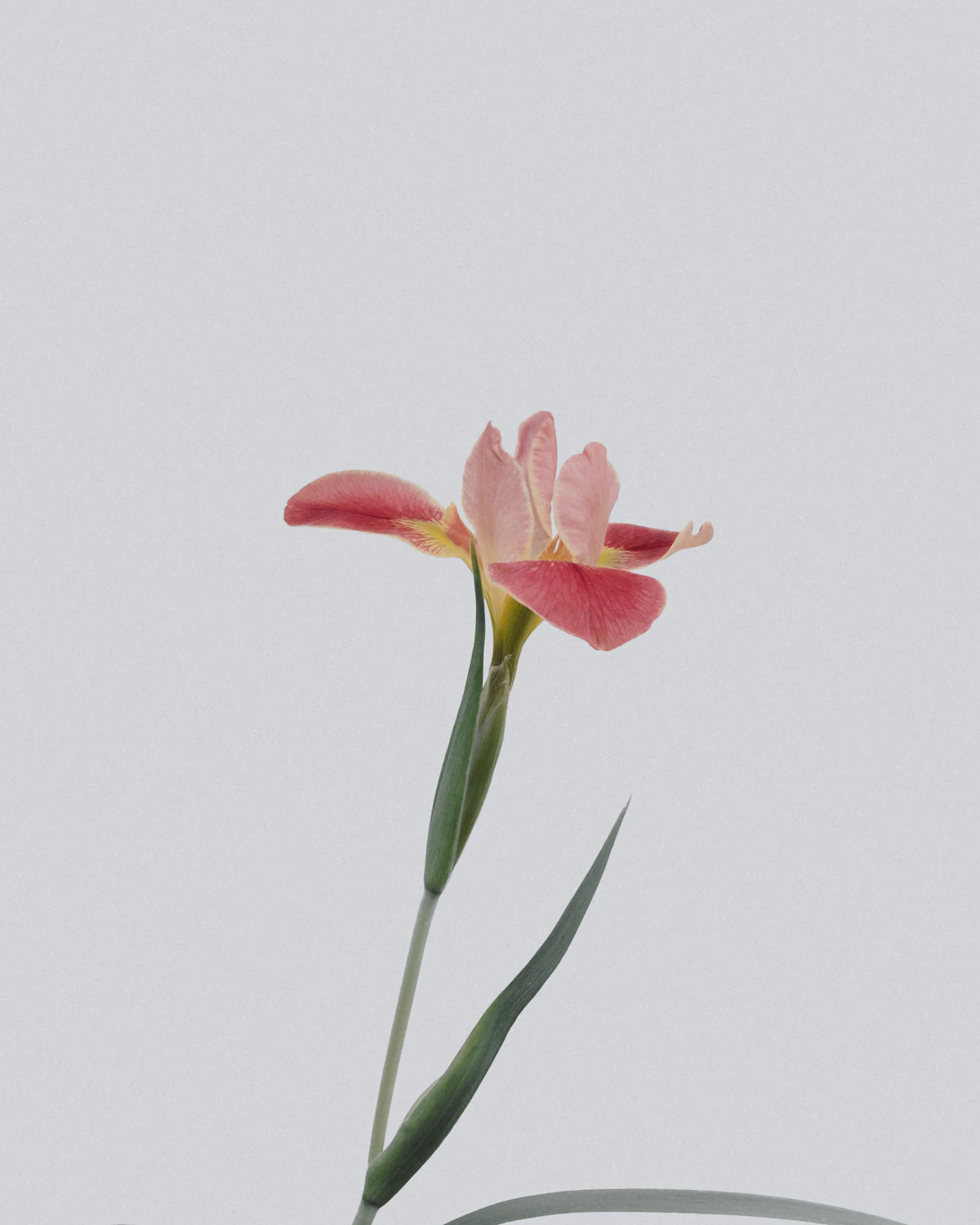
Phalaenopsis orchids thrive indoors when provided with stable humidity and bright indirect light.
Acclimatization: Gradual Light Reduction
Moving a plant directly from outdoor sunlight into a dimly lit room causes severe light shock, leading to yellowing foliage and leaf drop.
- Week 1: Move pots to a fully shaded porch or covered patio to get them accustomed to lower light levels.
- Week 2: Bring plants indoors during chilly nights and return them outside to shade during warmer days. This step gradually conditions their metabolism.
Orchids (like Phalaenopsis) actually benefit from a mild 10-degree drop in nighttime temperature in late summer, which signals them to set flower spikes. However, protect them from harsh cold winds or standing water in central crowns during cool nights.
Optimizing Your Indoor Climate Setup
Indoor winter air in North American homes—heated by HVAC systems or radiators—can drop relative humidity down to 15–20%.
- Humidity Management: Maintain a relative humidity of 50–60% using a cool-mist humidifier or pebble trays filled with water.
- Avoid Drafts: Position plants away from heating vents, radiators, and cold entryways.
Supplemental Lighting: Place plants near south- or east-facing windows. Use Full-Spectrum LED Grow Lights for 10–12 hours daily if natural light is insufficient. (Recommended: You can check this Top-Rated Indoor LED Grow Light on Amazon).
Adjust Watering & Fertilization Regimens
As daylight shortens and growth slows down, plants require significantly less water and nutrient intake.
- Reduce Watering: Allow the top 2–3 inches of soil to dry out completely before watering again. Overwatering in cooler indoor air is the leading cause of root rot.
- Pause Heavy Feeding: Cease high-nitrogen fertilizers during late fall and winter months as plants enter semi-dormancy. Resume light feeding in early spring.
Special Care Instructions for Orchids & Anthuriums
While general tropical rules apply, delicate collectors' exotics require tailored autumn management:
🌺 Orchid Transition Strategy
- Spike Induction: Allow Phalaenopsis orchids to experience 50°F–55°F (10°C–13°C) night temps for 1–2 weeks before bringing them indoors. This cold drop triggers bloom spikes!
- Crown Protection: Never let cool night rainwater sit in the leaf crown to prevent rot.
- Substrate Care: Ensure orchid bark mixes dry completely between waterings as indoor evaporation slows down.
🪴 Anthurium Transition Strategy
- Strict Humidity: Velvet-leaf anthuriums (like A. clarinervium) collapse when humidity falls below 50%. Keep them directly next to a humidifier.
- Avoid Cold Roots: Anthurium roots are highly sensitive to chilled potting mix. Keep pots off cold tile or granite floors.
- Leaf Edge Crisping: If leaf tips turn crispy brown post-move, increase humidity instantly rather than overwatering the soil.

Group tropical plants together indoors to create a humid microclimate naturally.
Essential Gear for Successful Winter Transitioning
Investing in a few climate-control tools makes winter plant care in cold US/Canada regions effortless:
- Full-Spectrum Clip-on LED Grow Lights: Bridges the gap during short 8-hour winter days.
- Ultrasonic Cool-Mist Humidifier: Keeps ambient indoor air above 50% RH against harsh HVAC heating.
- Digital Thermo-Hygrometer: Helps monitor temperature fluctuations and humidity levels near window sills in real time.
- Chunky Aroid & Orchid Mix: Pine bark, perlite, and charcoal mix to guarantee zero root rot in slow-evaporating winter conditions.
🌱 Recommended Reads for You:
Frequently Asked Questions (FAQ)
Final Thoughts
Losing a few lower leaves during the first two weeks indoors is completely normal as your plants adjust to their new microclimate. With proper light, monitored humidity, and careful watering, your tropical collection will remain healthy and vibrant throughout the cold winter months.




0 Comments